A Cord of Wood Guide for Loyalist area Homeowners
What Is a Cord of Wood?
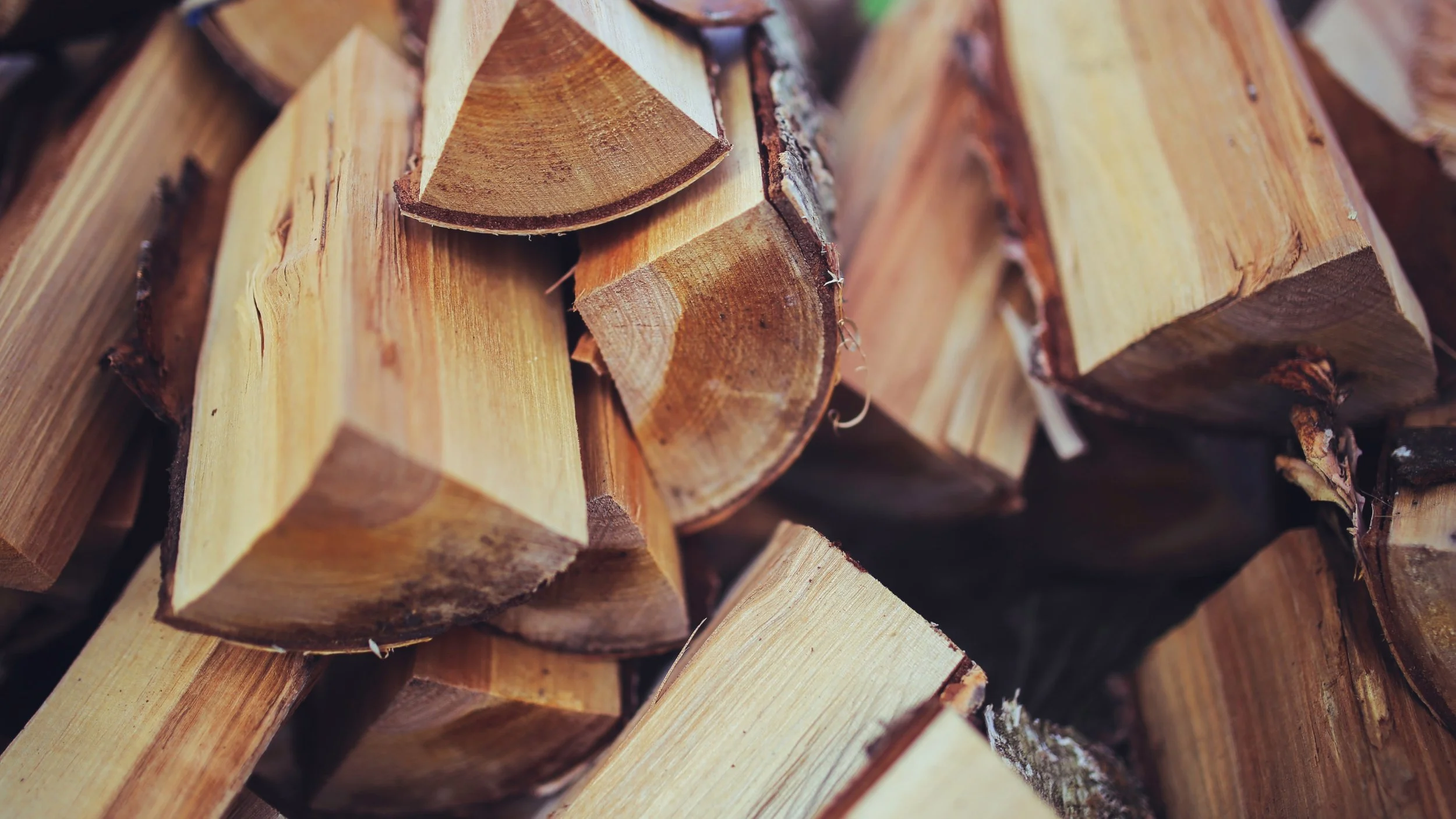
The first winter I heated my own place, some guy showed up with what he called a "cord" of wood. Looked like half of what I expected. Turned out it was a face cord - we'll get to that in a minute. Point is, I learned real quick that knowing your measurements means the difference between staying warm all winter and running out of firewood in February when it's twenty below. If you're searching for firewood or wood for sale in Kingston, you need to understand what you're actually buying. A cord isn't just a pile of wood - it's a specific measurement that protects you from getting shortchanged.
A full cord of wood is a stack measuring 4 feet high, 4 feet wide, and 8 feet long. That gives you 128 cubic feet of wood and air space combined. Stand in your driveway and picture a pile of firewood coming up to about your chest, stretching across two parking spaces. That's a cord. The wood itself is usually cut into 16-inch lengths. Why 16 inches? Because that's what fits in most stoves and fireplaces without having to wrestle with it. You stack three rows of those 16-inch pieces to get your 4-foot depth. Simple as that.
When you're looking for a cord of wood that’s for sale, weight matters depending on what kind of hardwood you're dealing with and how dry it is. Seasoned wood - properly dried firewood - runs around 3,000 pounds for maple. Pine? Lighter. Green oak? Heavier. You'll know the difference when you're hauling it from the woodshed at six in the morning.
Why This Old Measurement Still Matters
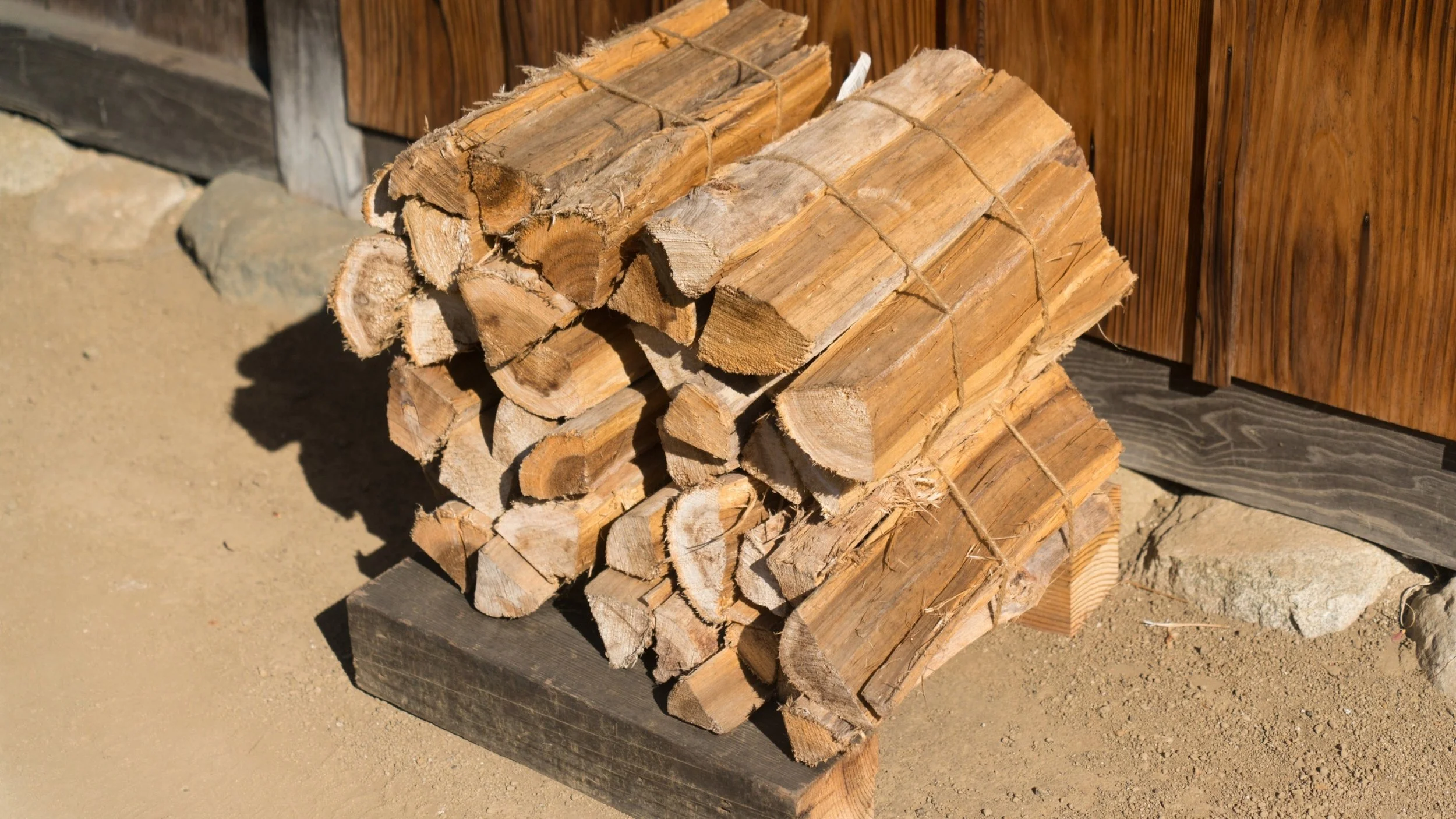
Back in the 1700s and 1800s, people died if they ran out of firewood. No wood meant no heat, no cooked food, no way to survive winter. So they needed a standard measurement that nobody could cheat on. The cord became that standard, and it's been backed by law ever since.
Different parts of the world came up with their own systems. Europeans use the "stere" - basically a cubic meter of stacked wood. Germans got real particular with separate measurements for tight-stacked versus loose-piled wood. The Japanese had their traditional units before everything went metric. Fact is, wherever people needed firewood to survive, they figured out how to measure it fair.
These days, understanding cord measurements keeps local firewood suppliers honest when you're checking out the Kingston firewood options. I've seen people try to pass off a face cord as a full cord, or measure loose-thrown wood in a truck bed and call it a cord. Below are some of the different ways I’ve heard someone refer to a cord in my days.
A face cord - some folks call it a rick - measures 4 feet high and 8 feet long, but only one row deep. Usually, that's 16 inches, which means a face cord is one-third of a full cord. Simple math. Problem is, some people cut their wood to different lengths, so a "face cord" isn't always the same volume. That's why when you're checking firewood prices or talking to firewood suppliers, I always ask: how long are the pieces?
Up in parts of Canada, they use something called a bush cord. Different regions have their own local terms too - "run" or "rack" or "stove cord." Doesn't matter what they call it if they can't tell you the actual dimensions. Always ask for measurements in feet and inches. Don't take vague terms from any firewood supplier. I've had guys show up saying they've got a "truckload" for sale. A truckload means nothing. My old F-150 holds different wood than their dump truck. Whether you're looking at firewood delivery or picking it up yourself from a local firewood supply, get the dimensions or walk away.
What Your Grandparents Knew About Heating Wood
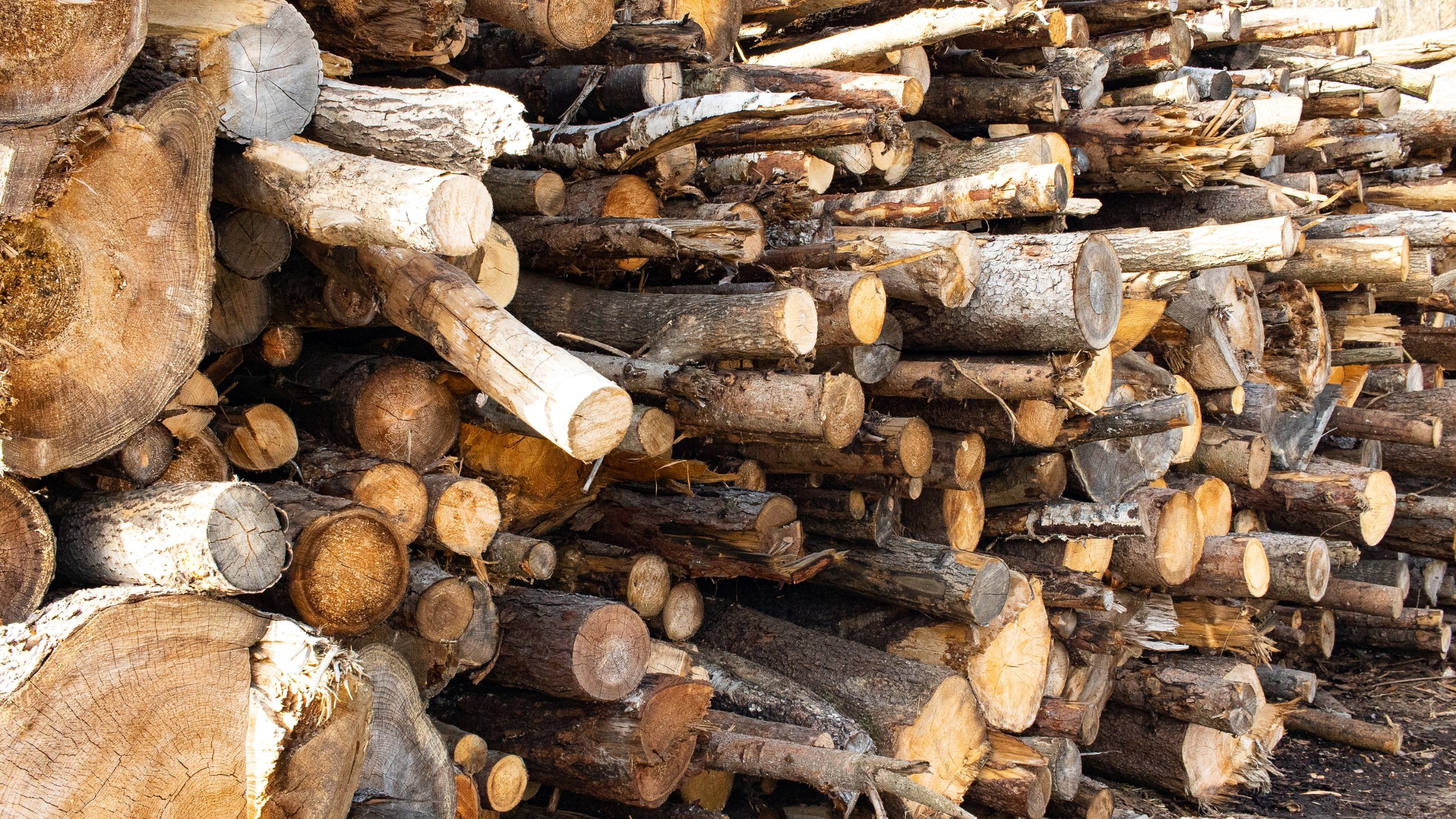
Your grandfather probably heated with wood. Maybe your father did too. They knew things we're having to relearn. Like how to stack wood so it seasons right - off the ground on pallets or poles, covered on top but open on the sides so air can move through. They knew you split wood in spring and let it sit through summer so it's ready by fall. They knew the difference between hardwoods and softwoods without needing a chart. Oak, maple, hickory, ash - those hardwoods from the Kingston wood lots were for the long, cold nights. Oak firewood is some of the best you can burn - dense, long-burning, puts out serious heat. Pine, spruce, fir - those got the fire going quickly in the morning. A cord of seasoned oak puts out maybe 24 to 28 million BTUs. A cord of pine gives you 14 to 18 million. Your grandfather could probably tell you that in his sleep.
The old-timers also knew how to tell if seasoned firewood was ready to burn. They'd knock two pieces together and listen for that sharp crack instead of a dull thud. They'd check the ends for cracks radiating out from the center. They'd feel the weight - dry wood is noticeably lighter than green. Moisture content matters more than just about anything else. Properly seasoned firewood sits at 20 percent moisture or less. Green wood might be 50 percent water or more. You try burning green wood, and you'll get a smoky, weak fire that builds up creosote in your chimney. That's how chimney fires start.
Species makes a big difference, too. I burn mostly maple and oak - good hardwood. Kingston suppliers know their stuff. Hickory firewood is harder to find but burns hot and long. Takes longer to season than softwood - sometimes two years for oak - but it's worth it for the heat. I keep some pine around for kindling and shoulder season when you just want to take the chill off, or when you need fire pit wood delivery for an evening outside.
Split size matters. Pieces between three and six inches across are about right for most stoves. Too big and they won't season properly, won't fit in your stove right. Too small and you're constantly feeding the fire. Split it once for pieces six to ten inches across, twice for bigger rounds.
Firewood Neet to knows
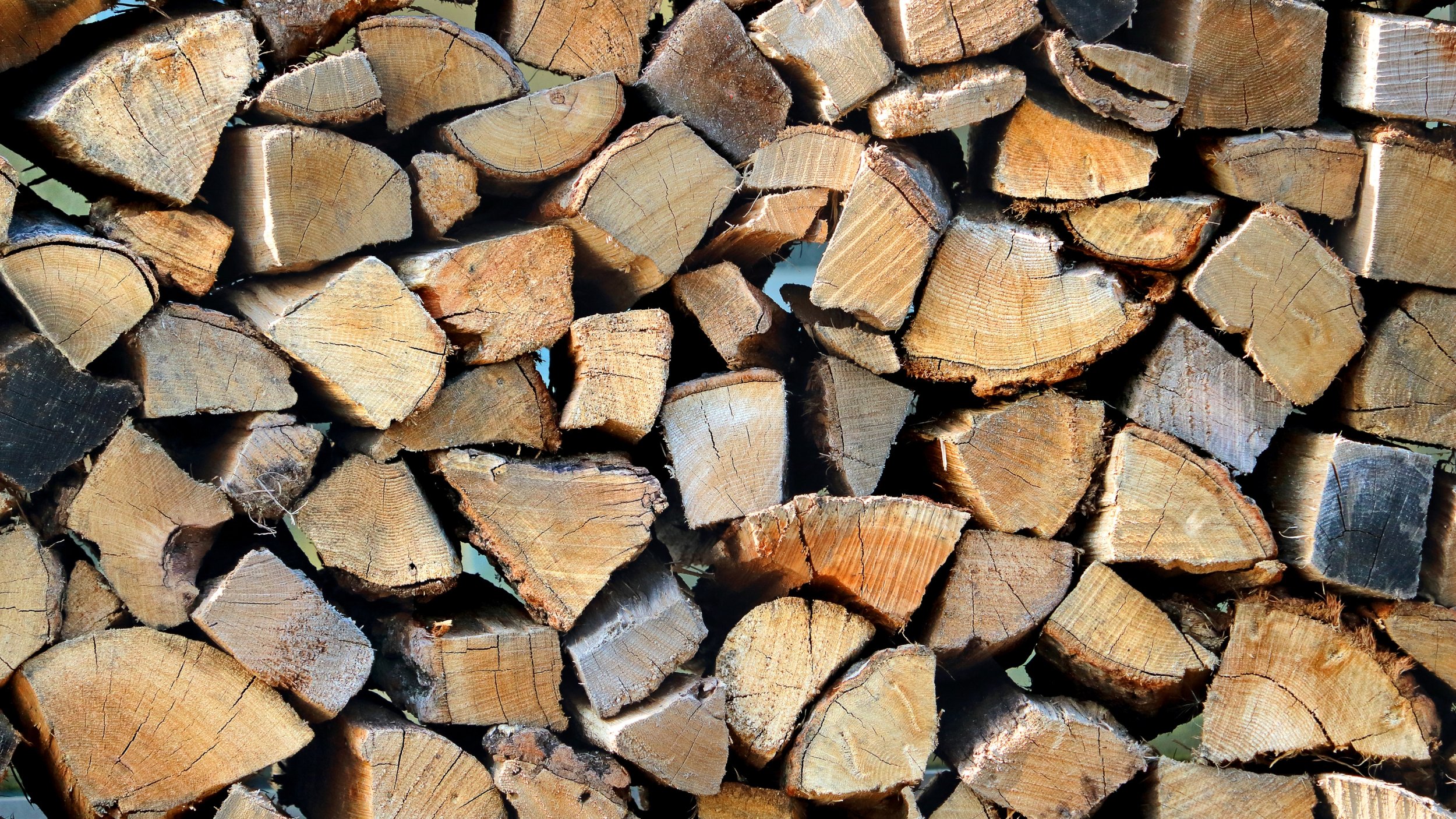
When you're searching "where to buy firewood" or looking for firewood for sale near you, you need to know what questions to ask. A good local firewood supplier will tell you exactly what you're getting - species, moisture content, piece length, and exact cord measurements. Best firewood delivery services will stack it where you want it, not just dump it in your driveway. Some places offer firewood delivered and stacked - it costs more, but saves your back if you're buying bulk seasoned firewood.
Don't be fooled by cheap firewood for sale if it's green or mixed with junk wood. You'll end up paying more in the long run when half of it doesn't burn right. Look for seasoned firewood for sale, delivered from suppliers who've been around a while and have a reputation to protect If you're looking for fireplace wood for occasional fires, bagged firewood might make sense. Convenient, usually dry, but you'll pay a premium per cord. For heating all winter, you want a cord of wood from a reputable Kingston supplier.
Understanding Firewood Prices
Firewood prices vary depending on species, seasoning, delivery distance, and whether it's stacked. Around Kingston, a cord of seasoned hardwood typically runs more than softwood. Kiln-dried costs more than air-dried. Delivered and stacked costs more than dumped in a pile.
When you're comparing prices from different firewood suppliers, make sure you're comparing the same thing. A cheap cord of green mixed wood isn't the same as seasoned oak. A face cord isn't a full cord. Logs for sale by species - like hickory firewood or oak firewood - usually cost more than mixed hardwood. Watch out for deals that seem too good. If someone's selling cord of wood for half what everyone else charges, there's a reason. Either it's not a full cord, it's green, it's mixed with garbage wood, or they're going to dump it and run.
Storing Your Wood Right
You need space for a full cord - 128 cubic feet doesn't just disappear into a corner. Stack it at least thirty feet from your house. Keeps the bugs from moving in with you and lowers your fire risk. Some insurance companies have rules about this, so check before you build your woodpile. Get it off the ground. Pallets work. A couple of old poles work. Anything to keep the bottom layer from wicking moisture out of the soil. Leave space between your rows so air can move through. Cover the top to shed rain and snow, but leave the sides open. Wood needs to breathe. Don't stack green wood in your basement or garage and expect it to season. It won't. It needs sun, wind, and time. Six months minimum for most softwoods, a year or more for hardwoods. If you're buying green firewood logs to season yourself, buy it in spring. By next fall, you'll be ready.
Cooking and Camping with firewood
If you're looking for cooking firewood, you want specific species. Hickory, oak, maple, and fruitwoods like apple or cherry give you good flavor without the resin you get from pine. White birch firewood near me is popular for smoking fish - burns clean, adds a mild flavor.
For campfirewood, you want wood that's easy to split and lights fast. Dry pine, poplar, or birch work well. You don't need a full cord for camping - usually, kindling and a few bundles of split wood will do you. Fire pit wood delivery makes sense if you're having people over and want good, dry wood without the hassle. Most suppliers will bring you a quarter or half cord if you don't need a full one.
Getting What You Pay For
I've seen plenty of folks get shortchanged on firewood. Someone shows up with a pickup truck bed full of wood and calls it a cord. Unless that truck bed is 4x4x8, it's not a cord. A standard pickup bed holds maybe a third to half a cord, depending on how it's stacked. Ask sellers for the exact dimensions they're delivering. If they can't tell you, or if they get vague, find someone else. Good firewood suppliers - whether you're looking at local firewood or checking out hardwood firewood from established operations - measure their stacks, know exactly what they're delivering, and stand behind their word. Check the moisture content yourself if you can. You can buy a moisture meter for twenty bucks. Stick it in a fresh-split face - not the outside of the wood, where it dries faster. Anything under 20 percent is good to burn. Above that, let it season more.
The Bottom Line
A cord is 4x4x8 feet. That's 128 cubic feet. Know that measurement, and you won't get cheated whether you're buying firewood in Kingston, checking out lumber delivered, or looking for delivery firewood from any supplier. Buy seasoned hardwood if you can afford it, or buy green wood cheaply in spring and season it yourself. Stack it right, store it dry, and you'll have heat that doesn't depend on the power company or the gas line. This isn't complicated, but it's not something you want to learn the hard way in the middle of winter. Take the time to understand what you're buying, find a firewood supplier you trust, and learn how to handle and store your wood properly. Do that, and a cord of good firewood will keep you warm all season long.
That's all there is to it.
